

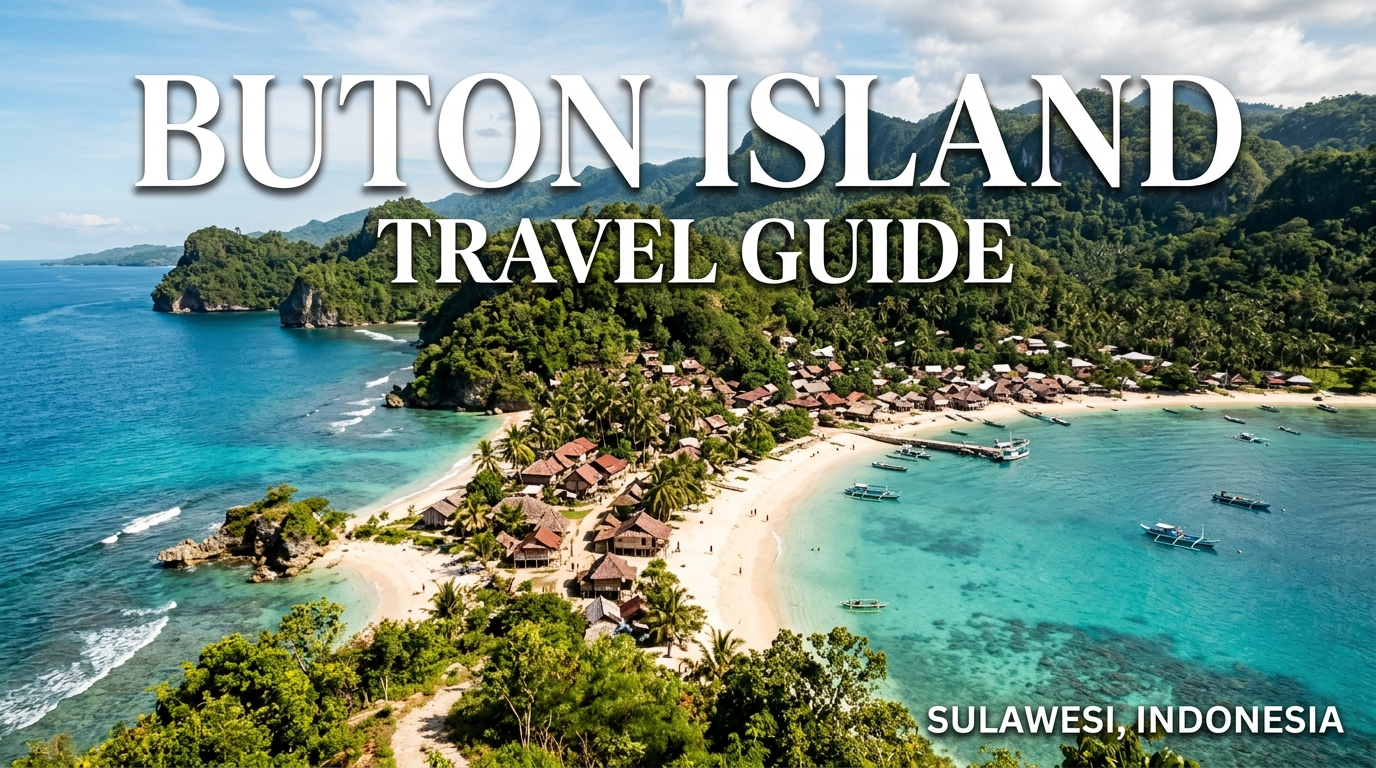

Imagine exploring a tropical Indonesian island where turquoise water meets green hills, historic stone walls tell stories of an ancient sultanate, and quiet coastal communities offer a glimpse of everyday island life. Away from the best-known tourist destinations of Bali, Buton Island in Southeast Sulawesi, Indonesia, offers a different kind of adventure for travelers who enjoy history, beaches, nature, and authentic cultural experiences.
This Buton Island Travel Guide will help you plan a memorable trip, from discovering Bau-Bau’s historic landmarks to relaxing at Nirwana Beach and exploring the island’s natural attractions. You will also find practical advice about transportation, accommodation, local food, travel seasons, and a suggested itinerary. Whether you are planning a short island escape or a longer journey through Sulawesi, Buton deserves a place on your travel wish list.
Where Is Buton Island?
Buton Island lies in Southeast Sulawesi, Indonesia, surrounded by the waters of the Banda Sea and nearby island groups. The island is known for its coastal landscapes, limestone formations, traditional communities, and historical connections to the Buton Sultanate. Bau-Bau, one of its main urban centers, is a useful starting point for travelers who want to explore historical landmarks, beaches, and nearby natural attractions.
Buton is also part of a wider island region that includes destinations such as Muna and the Wakatobi Islands. These places have their own identities and attractions, so it is helpful to plan transportation carefully rather than assuming they are all connected by convenient road routes. The official is a useful starting point for broader destination research. Unlike heavily developed resort destinations, parts of Buton offer a slower travel experience. You can spend the morning visiting an old fort, enjoy a seafood lunch in town, and finish the day watching the sun descend over the coast. That combination of history and nature is what makes the island interesting for curious travelers.
Why Visit Buton Island?
The appeal of Buton comes from its variety. Some travelers arrive for the beaches, while others are interested in the island’s historic architecture, traditional culture, caves, and waterfalls. You do not need to be an experienced diver or an adventurous hiker to appreciate it; a relaxed trip focused on local food, viewpoints, and coastal scenery can be rewarding too.
Another reason to consider Buton is the opportunity to experience a different side of Indonesian tourism. Instead of building your entire holiday around large resorts, you can explore local neighborhoods, support small businesses, and learn about the area’s heritage. Tourism infrastructure and services can vary between destinations, however, so some advance planning is important. For photographers, the island offers plenty of visual variety, from stone fortifications and traditional buildings to beaches lined with coconut trees. For couples and families, it can provide a quieter alternative to busier holiday destinations, provided you check local transport, accommodation facilities, and swimming conditions before traveling.
Best Places to Visit on Buton Island
1. Bau-Bau City and Kamali Beach
Bau-Bau is an excellent base for discovering the island’s main attractions. The city combines everyday Indonesian urban life with historic sites, waterfront scenery, local eateries, and access to nearby beaches. Spend some time walking through the busier streets, visiting local shops, and observing how the coastal setting shapes the rhythm of the city.
Kamali Beach is a popular waterfront area where visitors can enjoy sea views, stroll along the promenade, and sample snacks from nearby food stalls. It is especially appealing in the late afternoon and evening, when the atmosphere becomes more relaxed and local families gather by the water. The waterfront can also provide a convenient introduction to Buton’s food culture. Rather than treating Bau-Bau as merely a transit point, consider giving it at least a full day. You can combine a morning visit to a historic landmark with an afternoon at the coast and an evening meal in town. This creates a comfortable introduction to Buton without requiring a long journey on your first day.
2. Benteng Keraton Buton: A Historic Fortress
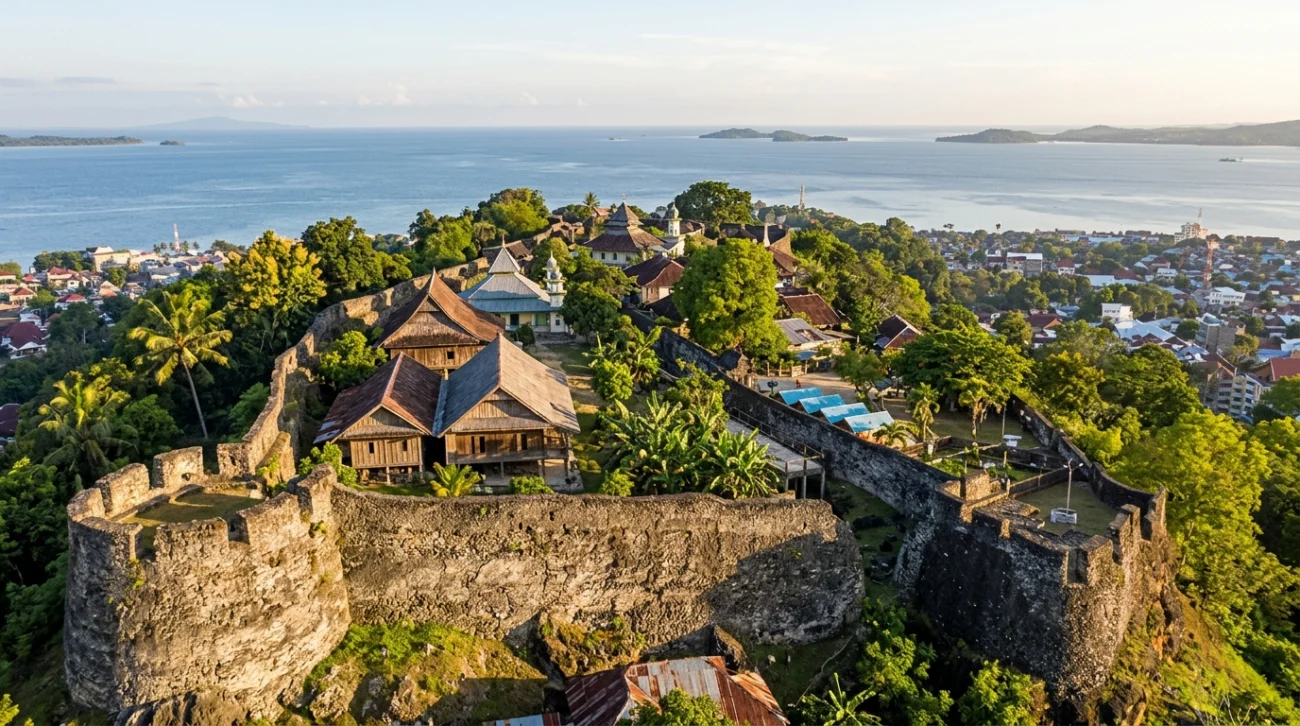
History lovers should make time for Benteng Keraton Buton, also called Wolio Fort. Located in Bau-Bau, this historic fortification is associated with the former Buton Sultanate and stands as an important symbol of the island’s political and cultural heritage. Indonesia’s national cultural heritage database recognizes the site as a nationally ranked cultural heritage property.The fortress is particularly interesting because it is more than a simple defensive wall. The surrounding area contains historic structures and a living settlement, creating a connection between the island’s past and present.
Walking through the site can help visitors understand the strategic importance of elevated ground and defensive architecture in earlier centuries. Allow enough time to explore respectfully, take photographs, and appreciate the views over Bau-Bau and the surrounding waters. A knowledgeable local guide can add context about the sultanate, important buildings, and regional traditions. Remember that some areas are part of active community life, so ask permission before photographing residents or entering private spaces.
3. Nirwana Beach and Coastal Scenery
Nirwana Beach is one of the best-known coastal attractions near Bau-Bau. Its appeal lies in the combination of pale sand, tropical vegetation, blue water, and an easygoing atmosphere. The beach is suitable for a relaxed outing when conditions are favorable, whether you want to sit beneath the trees, take photographs, or enjoy a peaceful walk beside the sea. The best way to enjoy the beach is to avoid rushing. Arrive early for a quieter experience, or visit later in the afternoon when the light becomes softer. You may find local food vendors or simple beach facilities, but their availability can change, so carry drinking water and confirm arrangements locally if you need particular amenities. Do not assume that every beach is safe for swimming at all times. Check the waves, currents, weather, and advice from local residents before entering the water. Also, take your rubbish with you and avoid damaging coastal vegetation. Respectful behavior helps preserve the very scenery that makes the destination appealing.
4. Lakasa Cave and Natural Attractions
Buton’s appeal extends beyond its coastline. The wider Bau-Bau area is associated with caves, waterfalls, and limestone landscapes that can add variety to a trip. Lakasa Cave is one attraction frequently mentioned by travelers interested in underground geological formations, including stalactites and natural pools.
However, cave access and safety should never be taken for granted. Recent travel accounts have raised concerns about conditions around Lakasa, including possible risks related to nearby construction. Before arranging a visit, confirm whether access is currently permitted and whether a qualified local guide considers the route safe. Do not enter unstable caves or climb slippery rock formations without appropriate guidance.
Waterfalls around the Bau-Bau area can also appeal to nature lovers. Ask a local guide about the current trail conditions, travel time, water levels, and whether the route is appropriate for your fitness level. During or after heavy rainfall, slippery paths and rising water can make natural attractions hazardous. These excursions work best when you allow flexibility in your schedule. A safe, enjoyable visit is much more valuable than reaching every attraction on a checklist.
Best Things to Do on Buton Island
Explore Local Culture and Markets
A meaningful trip is about more than beautiful photographs. Visiting local markets, trying regional dishes, and learning a little about the area’s customs can make your experience far more memorable. Markets are useful places to discover seasonal produce, fresh fish, spices, snacks, and everyday goods while observing the local pace of life.
The heritage of the Buton Sultanate remains an important part of the region’s identity. Historic sites, traditional architecture, and community customs offer opportunities to learn about the island’s past. If cultural tours are available, consider hiring a local guide whose knowledge can bring the places you visit to life. Be considerate when exploring residential areas. Dress appropriately for religious or historic sites, ask before taking close-up photographs, and follow any instructions from caretakers. Purchasing crafts or food from local businesses can also help direct some of your travel spending toward the community.

Enjoy Beaches and Outdoor Adventures
Beach visits, scenic drives, nature walks, and photography are accessible ways to explore the island. Travelers who enjoy the water can ask established local operators about snorkeling or boating opportunities, depending on the location and conditions. Never assume that equipment, guides, or boat trips will be available without advance arrangements.
If you enjoy hiking, plan outdoor activities around the weather and daylight. Carry sufficient water, sun protection, suitable footwear, and a charged phone. Remote routes may have limited mobile coverage, so let someone know your plans and avoid venturing into unfamiliar terrain alone. A flexible schedule is particularly useful on an island where road conditions, local transport, and weather can affect journey times. Rather than packing several distant attractions into one day, select a few that are reasonably close together. You will have more time to enjoy the landscape and less pressure to rush.
Best Time to Visit Buton Island
Buton has a tropical climate, with warm temperatures throughout the year. Rainfall, humidity, and sea conditions can vary by month, so the best time for your trip depends on whether you prefer sightseeing, beach days, boat journeys, or nature excursions.
A broad starting point for planning is to compare the generally drier months with the wetter part of the year. Conditions are not identical every year, however, and local forecasts should guide your final decision. Sea travel may be affected by wind and waves even when the weather looks pleasant on land.
| Travel consideration | What to plan for |
| Drier periods | Often more convenient for sightseeing and outdoor activities, depending on local conditions |
| Rainier periods | Allow extra time for road journeys and check cave, waterfall, and hiking access |
| Beach visits | Check wind, waves, currents, and local swimming advice |
| Boat trips | Confirm departures and sea conditions with the operator |
| Cultural sightseeing | Usually easier to organize flexibly, but confirm opening and access arrangements |
For a comfortable holiday, keep at least one flexible block in your itinerary. This gives you room to change plans if a boat is delayed, rain affects a trail, or you discover a place worth exploring for longer.
How to Get to Buton Island
Getting to Buton usually involves traveling through another Indonesian city or airport before continuing to Bau-Bau or another destination on the island. Your best route depends on your departure city, travel dates, and whether you prefer flying or traveling by sea.
By Air
For many visitors, flying to Betoambari Airport in Bau-Bau is a practical option when suitable services are available. Flight routes and schedules can change, and some journeys require a connection through another city. Check current airline schedules and baggage conditions before booking. If you are connecting from overseas, you may need to enter Indonesia through a larger international gateway and then take a domestic flight. Leave enough time between separately booked flights to account for delays and baggage collection.
By Ferry
Ferries and passenger boats connect parts of Southeast Sulawesi and nearby islands. Bau-Bau is an important port city, but routes, departure times, journey durations, and vessel types depend on the specific service. Confirm the current schedule directly with the operator or port before making accommodation arrangements. Traveling by sea can be an interesting way to experience Indonesia’s island geography, but it requires flexibility. Weather, operational changes, and seasonal sea conditions may affect departures. If you have a flight or another important connection afterward, avoid planning a tight transfer.
Getting Around the Island
In and around Bau-Bau, possible transport options include local taxis, motorcycle taxis, hired vehicles, and motorbike rentals where available. For attractions farther from the city, hiring a driver or arranging a local guide can simplify the journey. Before setting out, agree on the fare, return arrangements, and expected waiting time. If renting a motorbike, ensure you have the appropriate driving authorization, wear a helmet, and understand local road conditions.
Where to Stay and What to Eat
Bau-Bau is a sensible base for a first visit because it offers access to historical attractions, local restaurants, transport connections, and nearby coastal destinations. Accommodation ranges from simple guesthouses to hotels with more facilities. Compare recent reviews and confirm air conditioning, private bathrooms, Wi-Fi, breakfast, and payment arrangements if these matter to you. Travelers who want a quieter coastal experience can investigate accommodation closer to their preferred beach or excursion area. However, a remote location may mean fewer restaurants, limited transport, and less convenient access to shops. For a short trip, staying near the main urban area can reduce the amount of time spent traveling.
Food is another reason to explore the island. Seafood is a natural option in a coastal destination, and local eateries may serve grilled fish, rice dishes, vegetables, and regional specialties. Ask residents which places are popular, and choose food that is freshly prepared and stored safely. If you have dietary restrictions, communicate them clearly and ask about ingredients before ordering. Carry bottled or appropriately treated drinking water, particularly during long day trips.
Practical Travel Tips for First-Time Visitors
A little preparation can make your journey much smoother. Buton is not the same as a highly developed resort destination, and some attractions may have limited facilities or inconsistent transport options. Download offline maps, save your accommodation details, and keep important addresses available without an internet connection. Keep some Indonesian rupiah available for small purchases, local transport, and places that do not accept cards. Mobile coverage and internet speed can vary, so arrange a local SIM or eSIM if your phone supports it and connectivity is important to you.
Pack lightweight clothing, comfortable walking shoes, sunscreen, insect repellent, a reusable water bottle, and a rain jacket. If you plan to visit caves or waterfalls, bring suitable footwear and follow local safety advice rather than relying on ordinary beach sandals. Responsible travel is just as important as practical planning. Respect local customs, avoid littering, never touch or remove wildlife or natural features, and support community-run businesses when possible. These simple choices help protect the island’s natural and cultural heritage.
Suggested Three-Day Buton Island Itinerary
If you have three days, use Bau-Bau as your starting point and focus on nearby highlights rather than attempting to cover the entire island.
Day 1: History and City Exploration
Arrive in Bau-Bau, check into your accommodation, and explore the local streets. Visit Benteng Keraton Buton to learn about the former sultanate, then head to Kamali Beach in the late afternoon for waterfront views and local food.
Day 2: Beaches and Coastal Scenery
Spend the day exploring Nirwana Beach and nearby coastal viewpoints. Enjoy a relaxed lunch, take photographs, and ask local operators about safe water activities. Leave time for a sunset visit if weather and conditions allow.
Day 3: Nature and Local Experiences
Choose a locally accessible waterfall, cave excursion, or cultural experience after confirming safety and access. Alternatively, explore the markets, try more regional food, and enjoy a slower day before departure. This itinerary is deliberately flexible. If a cave is closed, weather disrupts a trip, or transport takes longer than expected, replace the excursion with an accessible attraction rather than taking unnecessary risks.
Conclusion
Buton Island is an appealing destination for travelers who want to discover a less familiar side of Indonesia. Its historic fortress, coastal scenery, local food, and opportunities for outdoor exploration make it a rewarding choice for visitors who enjoy combining culture with nature.
Use this Buton Island Travel Guide to plan a realistic itinerary, arrange transport in advance, and leave room for unexpected discoveries. Start with Bau-Bau, explore the historic sites, enjoy the coastline, and learn about local traditions along the way. The most memorable island journeys are not always the ones with the longest attraction lists. Sometimes, they are the trips that give you enough time to appreciate a beautiful view, share a meal, and understand a place beyond its photographs.