
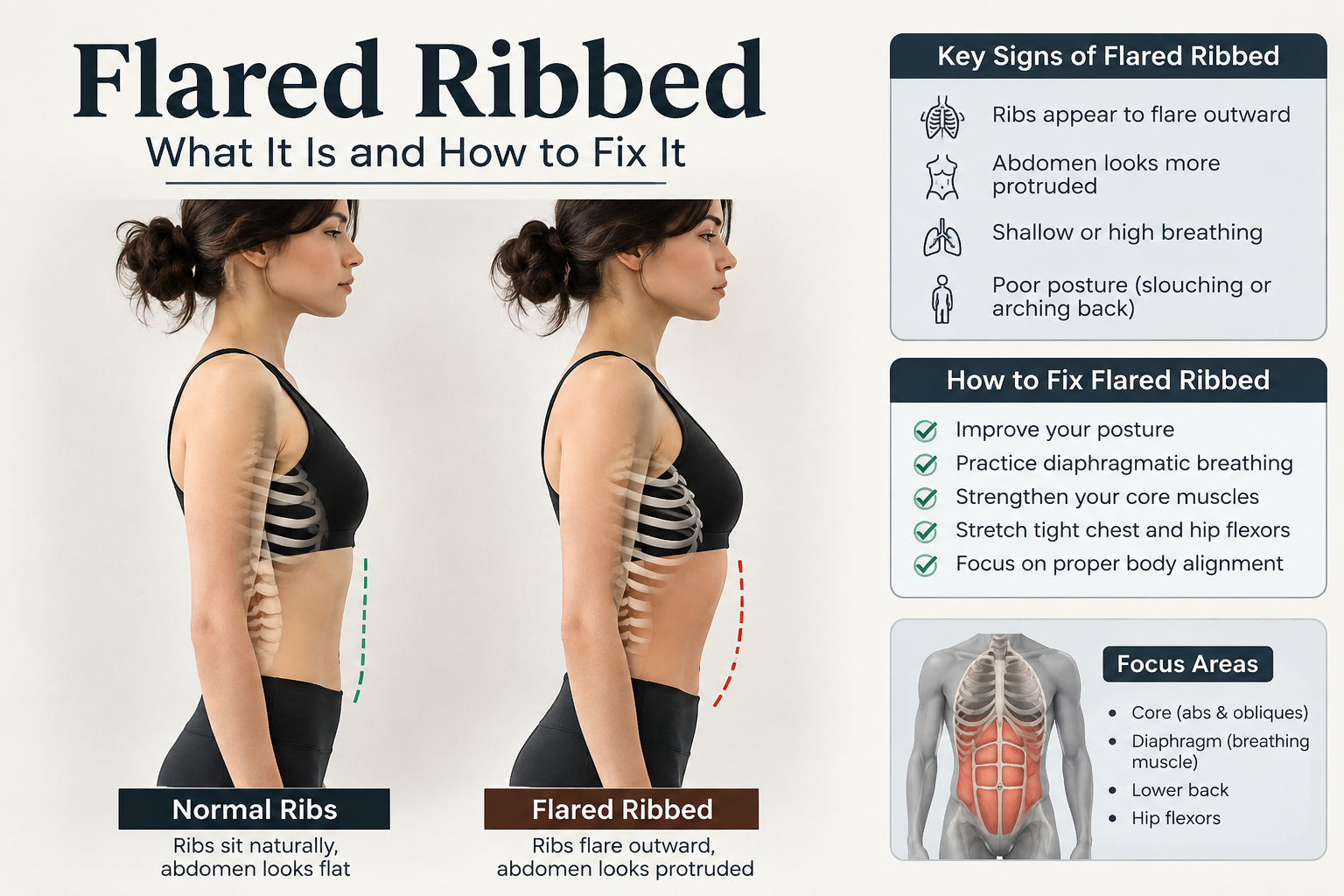
Flared Ribs: Causes, Exercises, and How to Improve Rib Flare
-
Posted by
 Baddie_Hub
- 0 comments

Baddie Hub Fitness | Workout Tips, Healthy Living & Strength Training Guides
Welcome to Baddie Hub Fitness, your trusted source for practical workout tips, healthy lifestyle tips and strength training guides. Whether you're just starting your fitness journey or looking to improve your current routine, our goal is to help you feel empowered and motivated by providing reliable, easy-to-follow information to build a stronger, healthier lifestyle. Fitness is more than achieving a certain look; it's about improving your overall health and feeling good in your body.
Baddie Hub, we believe Fitness should be accessible to everyone. You don't need expensive equipment or years of experience to get started. Small, consistent steps can lead to significant results over time. Whether you're looking to lose weight, build muscle, improve stamina, or stay active, you'll find expert-backed advice and practical guidance to help you progress. Our fitness section covers a wide range of topics, including beginner workout plans, strength training techniques, home and gym exercises, nutrition tips, recovery strategies, and healthy lifestyle habits. Each guide is designed to help you make informed decisions and build a sustainable fitness routine that fits your goals and everyday life.
If you're ready to take control of your health and reach your full potential, you've come to the right place. Let's explore the basics of Fitness and discover how consistent effort, smart training, and healthy habits can help you become the strongest version of yourself.
Understanding Fitness Basics
Before starting any exercise program, it's important to understand what Fitness really means. Like, a bunch of people associate Fitness with losing weight or building muscle, but Fitness is much broader than that. It refers to the body's ability to perform daily activities efficiently while maintaining sufficient energy for work, leisure, and unexpected physical challenges. True Fitness is built on key components, including cardiovascular endurance, muscular strength, muscular endurance, flexibility, and body composition. Developing these areas not only improves athletic performance but also supports long-term health and reduces the risk of various chronic diseases.
Fitness is the ability to maintain physical and mental well-being through regular exercise, balanced nutrition, proper rest, and healthy lifestyle choices. It isn't about perfection or comparing yourself to others it's about becoming healthier than you were yesterday.
A well-rounded fitness routine typically includes:
Strength training to build muscle, increase bone density and improve overall strength.Do cardiovascular exercise such as walking, running, cycling or swimming to strengthen your heart and lungs.Flexibility and mobility exercises to improve mobility and posture and reduce the risk of injury.Recovery exercises, including adequate sleep and rest days, help the body recover and strengthen.By combining these elements, you can improve your overall Fitness while building long-term sustainable habits.Why does Fitness matter?
Regular exercise has benefits beyond physical appearance. Staying active contributes to better health, increased self-confidence, and a better quality of life.
The main benefits of maintaining a consistent fitness routine include:
Improving the health of the heart and circulatory system.Increase muscle strength and endurance.Improve balance, coordination and flexibility.Providing support for healthy weight management.Stronger bones and joints.Reduce stress and anxiety by releasing endorphins.Improves sleep quality and increases daily energy.Reduced risk of chronic diseases such as type 2 diabetes, high blood pressure and heart disease.In addition to these physical benefits, exercise can have a powerful effect on mental health. Regular exercise improves mood, increases focus, reduces stress, and improves overall emotional health.
Set realistic fitness goals!
One of the biggest reasons people lose motivation is setting unrealistic expectations. Lasting results come from CONSISTENCY, not quick fixes. Instead of striving for drastic changes in a short period, focus on achievable goals that foster continuous improvement.
Like, for example, a beginner's goal might be:
Exercise three to four times a week.Walk for 30 minutes every day.Drink more water throughout the day.Add more vegetables and lean protein to your meals.Increase strength by gradually increasing resistance over time.Tracking your workouts, celebrating minor milestones, and adjusting your goals as you progress can help keep you motivated. Remember, Fitness is a lifelong journey, and every exercise brings you closer to better health. By building a strong foundation and establishing healthy habits early on, you'll be better prepared to progress to more advanced exercises, strength training programs, and personal fitness routines.
Workout Guides for Every Fitness Level
Avoid injury and stay motivated by understanding proper form and safety tips. Our guides emphasize injury prevention to help you exercise confidently and sustainably. At Baddie Hub Fitness, we believe everyone can improve their health, regardless of age or physical limitations. We provide adaptable training plans to ensure safe progress for all levels.
Beginner training plans
If you're new to Fitness, your primary goal should be to build consistency rather than to lift heavy weights or complete intense workouts. Focus on learning proper exercise techniques and developing healthy habits. A beginner's exercise routine should include a mix of cardiovascular exercises, body weight movements, and flexibility training.
Recommended beginner exercises:
Bodyweight squat exercisereclining support (or knee support)Walking , Walking eruptionsGluteal , Gluteal bridgesPanelsBird dogsJumping jacksA brisk walk or light cycling
Aim for 3-4 exercise sessions per week, lasting 30-45 minutes. And oh yeah, allow your body enough time to recover between sessions.
Fitness tips for beginners:
Warm up for 5-10 minutes before training.Focus on proper form rather than speed.Start with light resistance exercises or bodyweight exercises.Stay hydrated all day.End each exercise with stretching to improve flexibility.Remember that consistency is more important than perfection. Small improvements made every week lead to significant results in the long, long run.
Intermediate training routines
Once you've developed basic strength and endurance, it's time to increase the intensity of your training. Intermediate training offers higher resistance, more challenging movements, and structured exercise divisions.
Your goals at this stage may include:
Lean muscle buildingImproving cardiovascular FitnessIncrease staminaBody, Body fat burningEnhancement of sports performanceA balanced weekly routine can include:
Day 1: Upper body strengthDay 2: Lower body strengthThird day: Cardio and core exercisesDay 4: Rest or active recoveryDay 5: Full body strength trainingDay 6: HIIT or functional trainingSeventh day: restIntermediate exercisers should gradually increase the weight, repetitions, or intensity of the exercise while maintaining proper technique.
Advanced training programs
Advanced fitness programs are designed for individuals with significant training experience and a solid understanding of training mechanics.
These programs often include:
Heavy vehicle jacksHigh-volume strength trainingOlympic, Olympic weightlifting variationsAdvanced bodyweight exercisesPlyometric trainingSports-specific air conditioningAdvanced athletes typically train 5-6 days per week, carefully balancing intensity and recovery.
Instead of working harder every day, experienced athletes follow structured training cycles that include development, recovery, and performance testing.
Strength Training Essentials
Strength training is one of the most effective ways to improve overall health and physical performance. Contrary to common misconceptions, strength training is not just for bodybuilders – it benefits people of all ages and fitness levels. Regular resistance training helps build stronger muscles, increase bone density, improve posture, speed up metabolism, and make everyday activities easier. Whether you lift weights at home or use dumbbells at the gym, incorporating strength training into your routine is essential for long-term Fitness.
1. Benefits of Strength Training
Adding resistance training to your weekly workouts offers numerous health benefits, including:
2. Increased Muscle Strength
Strength training improves your ability to perform everyday activities such as lifting groceries, climbing stairs, or carrying heavy objects.
3. Improved Bone Health
Resistance exercises stimulate bone growth, helping reduce the risk of osteoporosis and age-related bone loss.
4. Faster Metabolism
Muscle tissue burns more calories than fat, even while resting. Building lean muscle can support healthy weight management over time.
5. Better Posture and Balance
Strong core and back muscles improve posture, reduce lower back pain, and enhance stability.
6. Reduced Risk of Injury
Stronger muscles, ligaments, and joints provide better support during physical activities and help lower the risk of common injuries.
Cardio, Home vs. Gym, Nutrition & Weight Management
A complete fitness routine goes beyond lifting weights or following a workout plan. To achieve healthy and sustainable long-term results, it's important to combine cardiovascular exercise, strength training, proper nutrition, and healthy lifestyle habits. Whether it's losing weight, building muscle, improving endurance, or simply staying active, these four pillars work together to help you reach your fitness goals safely and effectively.
Cardio and Endurance Training
Cardiovascular exercise, also known as cardio, is any physical activity that increases your heart rate and improves the efficiency of your heart and lungs... Regular cardio exercises not only support weight loss but also strengthen the cardiovascular system, improve endurance, and increase general energy levels.
Unlike strength training, which focuses primarily on building muscle, cardio improves endurance, allowing the body to perform physical activities for longer periods without fatigue.
Benefits of Cardio
Adding cardio to your weekly fitness routine has a bunch of health benefits, including:
Strengthens the heart, heart and lungs...Improves blood circulation.Burns calories and promotes fat loss.Increases stamina and endurance.Reduces the risk of heart disease and high blood pressure.Helps regulate blood and blood sugar levels.Improves mood by reducing stress and anxiety.Improves sleep quality and daily energy level.Health experts generally recommend at least 150 minutes of moderate-intensity aerobic activity or 75 minutes of vigorous-intensity exercise per week in addition to strength training for optimal health.
Popular Cardio Exercises
There are many effective cardio workouts suitable for different fitness levels.
WalkingWalking is one of the easiest ways to improve cardiovascular health. A brisk 30-minute walk each day can help increase endurance, burn calories, and improve overall Fitness.
RunningRunning burns more calories than walking while strengthening the heart, lungs, and lower-body muscles. Beginners should gradually increase distance and intensity to reduce the risk of injury.
CyclingCycling is a low-impact exercise that improves cardiovascular Fitness while strengthening the legs. It is suitable for people of all fitness levels.
SwimmingSwimming provides a full-body workout while placing minimal stress on the joints, making it an excellent option for individuals recovering from injuries or seeking low-impact exercise.
Jump RopeJump rope improves coordination, agility, and cardiovascular endurance while providing an efficient calorie-burning workout.
High-Intensity Interval Training (HIIT)
HIIT combines short bursts of intense exercise with brief recovery periods. These workouts improve cardiovascular Fitness, burn calories efficiently, and can be completed in less time than traditional cardio sessions.
Improving Endurance
Endurance develops gradually through consistent training. To improve your stamina:
Increase workout duration over time.Mix moderate and high-intensity cardio sessions.Stay hydrated before, during, and after exercise.Eat balanced meals to fuel your workouts.Get enough sleep to support recovery.Remain consistent with your exercise routine.With patience and regular practice, you'll notice improvements in both athletic performance and everyday activities.
Home Workouts vs. Gym Workouts
One of the most common questions among fitness beginners is whether it's better to exercise at home or join a gym. The truth is that both options can deliver excellent results when paired with consistency and proper training.
The right choice depends on your goals, available equipment, budget, and personal preferences.
Benefits of Home Workouts
Home workouts are convenient, flexible, and cost-effective, making them an excellent choice for many people.
Advantages include:
No commuting required.Flexible workout schedule.Lower overall cost.Comfortable environment.Ideal for beginners.Minimal equipment needed.Exercises such as push-ups, squats, lunges, planks, burpees, and resistance band workouts can all be performed effectively at home.
Advantages of Gym Workouts
Gyms offer access to professional equipment and a motivating environment that can help accelerate fitness progress.
Benefits include:
Wide selection of strength-training equipment.Heavy free weights and machines.Professional trainers and coaching.Group fitness classes.More exercise variety.Easier progression for muscle building and strength training.Individuals interested in bodybuilding, powerlifting, or advanced strength training often benefit from the specialized equipment available at commercial gyms.
Which Option Is Better?
There is no single "best" option. The most effective workout is the one you can perform consistently. If your schedule is busy, home workouts may be the better choice. If you enjoy structured environments and advanced equipment, a gym membership may help keep you motivated. Ultimately, consistency matters far more than where you choose to exercise.
Nutrition for Better Fitness
Exercise provides the stimulus for improvement, but nutrition supplies the fuel your body needs to perform, recover, and grow stronger. A balanced diet supports muscle repair, improves workout performance, boosts immunity, and helps maintain a healthy body weight. Instead of following restrictive diets, focus on consuming nutrient-rich whole foods that provide your body with the energy it needs throughout the day.
1. Importance of Balanced Nutrition
Good nutrition offers numerous benefits, including:
Improved exercise performance.Faster muscle recovery.Increased energy levels.Stronger immune function.Better weight management.Reduced risk of chronic diseases.A balanced diet should include carbohydrates, protein, healthy fats, vitamins, minerals, and plenty of water.
2. Protein for Muscle Recovery
Protein is essential for repairing and building muscle tissue after exercise.
Healthy protein sources include:
Chicken breastFishEggsGreek yogurtCottage cheeseBeans and lentilsTofuLean beefNuts and seedsIncluding protein with each meal can support muscle growth and recovery.
3. Healthy Carbohydrates
Carbohydrates are the body's preferred source of energy during exercise.
Choose nutrient-dense carbohydrates such as:
OatsBrown riceWhole-grain breadSweet potatoesQuinoaFruitsVegetablesComplex carbohydrates provide sustained energy and help fuel both workouts and recovery.
4. Healthy Fats
Healthy fats support brain function, hormone production, and overall health.
Good sources include:
AvocadosOlive oilAlmondsWalnutsChia seedsFlaxseedsFatty fish such as salmonAlthough fats are calorie-dense, they are an important part of a balanced diet.
5. Stay Hydrated
Water plays a critical role in physical performance and recovery.
To maintain proper hydration:
Drink water throughout the day.Increase fluid intake during exercise.Replace fluids lost through sweat.Limit sugary drinks whenever possible.Proper hydration improves endurance, concentration, and muscle function.
Weight Management
Healthy weight management is about developing sustainable habits rather than following temporary diets or quick-fix solutions.
By combining regular exercise with balanced nutrition and healthy lifestyle choices, you can achieve and maintain a healthy body weight over the long term.
1. Healthy Weight Loss Tips
Successful weight loss focuses on gradual and consistent progress.
Effective strategies include:
Eat more whole foods.Control portion sizes.Exercise regularly.Drink enough water.Limit your consumption of processed foods and sugary drinks.Get 7-9 hours of quality sleep per night.Commitment to healthy habits.And oh YEAH, Slow and steady progress is usually more sustainable than rapid weight loss methods.
2. Building Lean Muscle
Increasing lean muscle mass improves strength, metabolism, and overall body composition.
Seriously, FOR effective muscle building:
Follow a structured strength training program.Eat enough high-quality protein.Eat enough calories to support muscle growth.Prioritize recovery and sleep.Apply progressive overload by gradually increasing the intensity of the exercise.Remember that muscle growth requires patience and sustained effort over time.
3. Maintaining a Healthy Weight
Once you've reached your desired weight, you need to continue the healthy habits you've developed to maintain it.
Long-term success depends on:
Exercise regularly.Eat a balanced meal.Be physically active.Track progress.Adjust your routine as your fitness goals evolve.Instead of seeing Fitness as a temporary challenge, make healthy living a permanent lifestyle.
4. Common Fitness Mistakes to Avoid
Avoid these common mistakes that can slow down your progress:
Skip the warm-up and cool-down.Using the wrong practical method.Overtraining without proper recovery.Ignoring proper nutrition.Formulating unrealistic expectations.Comparing ourselves to others.Giving up after missing some exercises.Avoiding these pitfalls and sticking to your goals, you'll build a healthier body, improve your fitness level, and develop habits that support lifelong wellness.
Frequently Asked Questions (FAQs)
How often should I work out?
For most adults, exercising 3-5 days a week is an effective way to improve overall Fitness. And oh yeah, aim for at least 150 minutes of moderate-intensity cardio and 2-3 strength-training sessions targeting each major muscle group each week. Remember to include rest days to allow your body to recover and strengthen.
Can beginners start strength training?
Yes. Guess what? Strength training is suitable for beginners if done with proper technique and resistance. Start with bodyweight exercises or light weights, focus on learning proper form, and gradually increase the intensity AS your strength and confidence improve.
Is cardio necessary for weight loss?
Cardio can increase calorie burn and promote weight loss, but it works best when combined with a balanced diet and regular strength training. Guess what? Increasing muscle mass through resistance exercise also helps boost your metabolism, making it easier to maintain a healthy weight over time.
What should I eat before and after a workout?
Choose a pre-workout meal or snack that contains complex carbohydrates for energy and a moderate amount of protein. And oh yeah, Good options include oatmeal with fruit, whole wheat bread with peanut butter, or Greek yogurt.
After a workout, eat a meal rich in protein and healthy carbohydrates to help repair muscles and restore energy. Examples include grilled chicken with brown rice, eggs with whole grain bread, or protein shakes with fruit.
How much protein do I need?
Protein needs vary by age, activity level, and fitness goals. Like, Active individuals generally need more protein than sedentary people to support muscle repair and growth. Guess what? Focus on eating high-quality protein sources such as lean meat, fish, eggs, dairy products, beans, lentils, and tofu as part of a balanced diet.
Can I get fit by working out at home?
Definitely, home exercises can be very effective if done consistently. Bodyweight exercises, resistance bands, dumbbells, and simple fitness equipment allow you to build strength, improve ENDURANCE, and stay active without a gym membership.
How important is recovery?
Recovery is an essential part of ANY fitness program. During rest, your muscles repair and strengthen. Getting enough sleep, staying hydrated, stretching regularly, and scheduling rest days will improve performance while reducing the risk of injury.
What's the best workout for overall Fitness?
There is no single exercise that is best for everyone. Guess what? A balanced fitness routine should include strength training, cardiovascular exercise, flexibility work, and mobility exercises. Seriously, the ideal program fits your goals, fitness level, and lifestyle, but is fun enough to keep up.
Conclusion
Achieving better health and Fitness is not about following short-term trends or seeking quick results, but about building consistent habits that support long-term well-being. By combining regular exercise, strength training, cardiovascular exercise, a balanced diet, proper recovery, and positive thinking, you can create a sustainable lifestyle that helps you feel strong, healthy, and confident every day. At Baddie Hub Fitness, our mission is to provide trusted workout tips, healthy lifestyle tips, and strength training guides that can help readers of all fitness levels succeed. Whether you're taking your first steps toward a healthier lifestyle or pursuing advanced fitness goals, our expert-backed articles are designed to educate, motivate, and support your journey.
Remember that every healthy meal, exercise, and positive choice will bring you one step closer to your goals. You know what? Progress may take some time, but consistency always pays off. Stay committed, celebrate your achievements, and challenge yourself constantly to become stronger physically and mentally. Like Discover more fitness guides, workout routines, nutrition tips, and healthy lifestyle resources at Baddie Hub Fitness and let us help you achieve lasting results with knowledge, dedication, and smart training